

EDI 276 and 277 Claim Status Transactions From Request to Response

.png)

EDI 276 and 277 are HIPAA-standard electronic transactions that, together, create a closed-loop workflow for checking claim status between providers, clearinghouses, and payers. The 276 serves as the standard request for a claim's processing status, while the 277 is the reply from the payer with definitive status details (such as received, in process, paid, denied, or requesting additional information). This process replaces manual follow-up calls, speeds up answers, and streamlines claims management workflows.
- EDI 276 and 277 automate the claim status inquiry and response process, eliminating most manual follow-up for payers and providers alike.
- A 276 request typically follows submission of a claim (such as via 837), when a provider or billing team wants to check progress or resolve outstanding claims.
- Response may involve TA1 and 999 acknowledgments, which report envelope or compliance errors. When processing completes, a 277 claim status response is issued with category codes and detailed updates.
- Strong adoption of the 276/277 workflow yields faster answers, dramatically less administrative overhead, and improved operational visibility for all parties.
- EDI Sumo leads the industry in unifying, automating, and standardizing claim status workflows for health insurance organizations of all sizes.
EDI 276 is the standardized electronic request to check a claim's status in healthcare billing. EDI 277 is the corresponding reply, in which payers return details about the claim's progress, outcome, or issues. Together, these transactions form the core of electronic claim status communication under HIPAA, providing visibility into every stage of claim adjudication.
Step-by-Step: The EDI 276 and 277 Workflow- A claim is submitted electronically (commonly as an EDI 837 transaction).
- After submission, if the provider or billing team needs an update, they send a 276 claim status request containing identifiers for the claim, the provider, and the patient.
- The payer receives and validates the 276. If there are structural issues, a TA1 (envelope acknowledgment) or 999 (functional acknowledgment) is sent back before any claim lookup occurs.
- If the request passes validation, the payer system searches its records and generates a corresponding 277 claim status response. This response includes status category and status codes, STC (status information) segments, and references to the original claim/inquiry.
- Billing and support teams use the 277 to decide whether to take action (such as correcting or appealing a claim), wait for further adjudication, or close the claim file.
The strength of the 276 workflow comes from standardized data fields, which ensure payers can quickly match requests with specific claims. Because claim status inquiries occur after an 837 or similar intake, accuracy of these fields is vital.
- Provider identification (NPI or similar unique ID)
- Subscriber or patient identification number
- Claim control number or trace number for precise lookup
- Dates of service
- Optional: batch or correlation identifier (for reconciliation when multiple requests are sent together)
The 277 reply is a machine-readable update from the payer. It provides one or more status codes, categories, and plain-English descriptors indicating claim status. If a request involved multiple claims, the 277 can hold a status update for each. Common 277 outcomes include:
- Claim received and entered into system
- Claim pended (awaiting additional action or review)
- Claim processed and paid
- Claim denied (with a reason code)
- Claim rejected due to errors or missing information
STC segments in a 277 provide further detail, such as specific error codes, denial reasons, and payer comments. Many organizations use this data to automate work queues, trigger audits, or prompt user follow-up for resolution.
How 999, TA1, and 277CA Fit into the WorkflowWhile the 276/277 pair is designed for claim status updates, it is important to distinguish related acknowledgments. TA1 and 999 acknowledgments are issued earlier in the EDI process to confirm file receipt and syntactic compliance. The 277CA (claim acknowledgment) functions separately, focusing specifically on initial claim acceptance or rejection before the full adjudication and status response cycle.
A best practice is to track 999 and TA1 responses alongside 276/277 workflow monitoring. A clean 999 or TA1 does not guarantee successful claim adjudication—it only confirms that the transaction met structural requirements for further processing. This distinction is critical for healthcare payer and provider teams looking to resolve claim inquiries efficiently, as emphasized in many industry guides and by solutions such as those from EDI Sumo.
Real-World Example: From Request to ResponseConsider a billing team that has submitted a batch of claims after a busy period. Days later, a particular claim is missing from their claim status dashboard. Instead of calling their payer contact, they issue a 276 electronic inquiry, referencing the original claim number and patient ID.
The payer system processes the 276, checks identifiers, and, if correct, composes a 277 file. This response shows the claim is 'pending due to missing information' and includes an STC code for 'documentation required.' The billing team receives this update in their claims management dashboard, allowing them to correct and resubmit promptly. This accelerates reimbursement and minimizes unnecessary delays—a typical result with a well-designed EDI solution such as EDI Sumo.
Best Practices for Managing EDI 276 and 277 Workflows- Ensure that 276 requests include complete identifiers for rapid claim matching (provider ID, claim number, dates, patient ID).
- Leverage unique tracking numbers for every inquiry to facilitate reconciliation with 277 replies and internal work queues.
- Implement automated alerting and dashboard monitoring so staff can see if acknowledgments (TA1/999) or 277 responses are missing, delayed, or indicate errors.
- Standardize parsing of 277 STC segments into actionable status categories for non-technical teams (billing, customer service, compliance).
- Escalate unresolved statuses—such as claims stuck in 'pending'—if they sit beyond your organization’s adjudication or follow-up thresholds.
- Integrate claim status data across the enterprise, not just IT or EDI teams. This ensures everyone—from service reps to management—can view real-time claim status and act quickly.
- Consider platforms like EDI Sumo for standardizing EDI intake, streamlined monitoring, and unified data visualization across claim status workflows.
The greatest value of standardized 276 and 277 workflows appears when enterprise data is transparent and accessible, regardless of user role. Many organizations still relegate EDI claim status to IT silos, creating bottlenecks and missed updates. With modern platforms like EDI Sumo, payers and health plans can normalize incoming claim status data, connect it directly to claims, enrollment, and customer service modules, and deliver actionable information throughout the organization.
This type of visibility reduces support tickets, enables proactive resolution, and helps deliver a member and provider experience that outpaces traditional, manually monitored processes. For more on driving these efficiencies, you may find value in our resource on claims processing and closed-loop visibility.
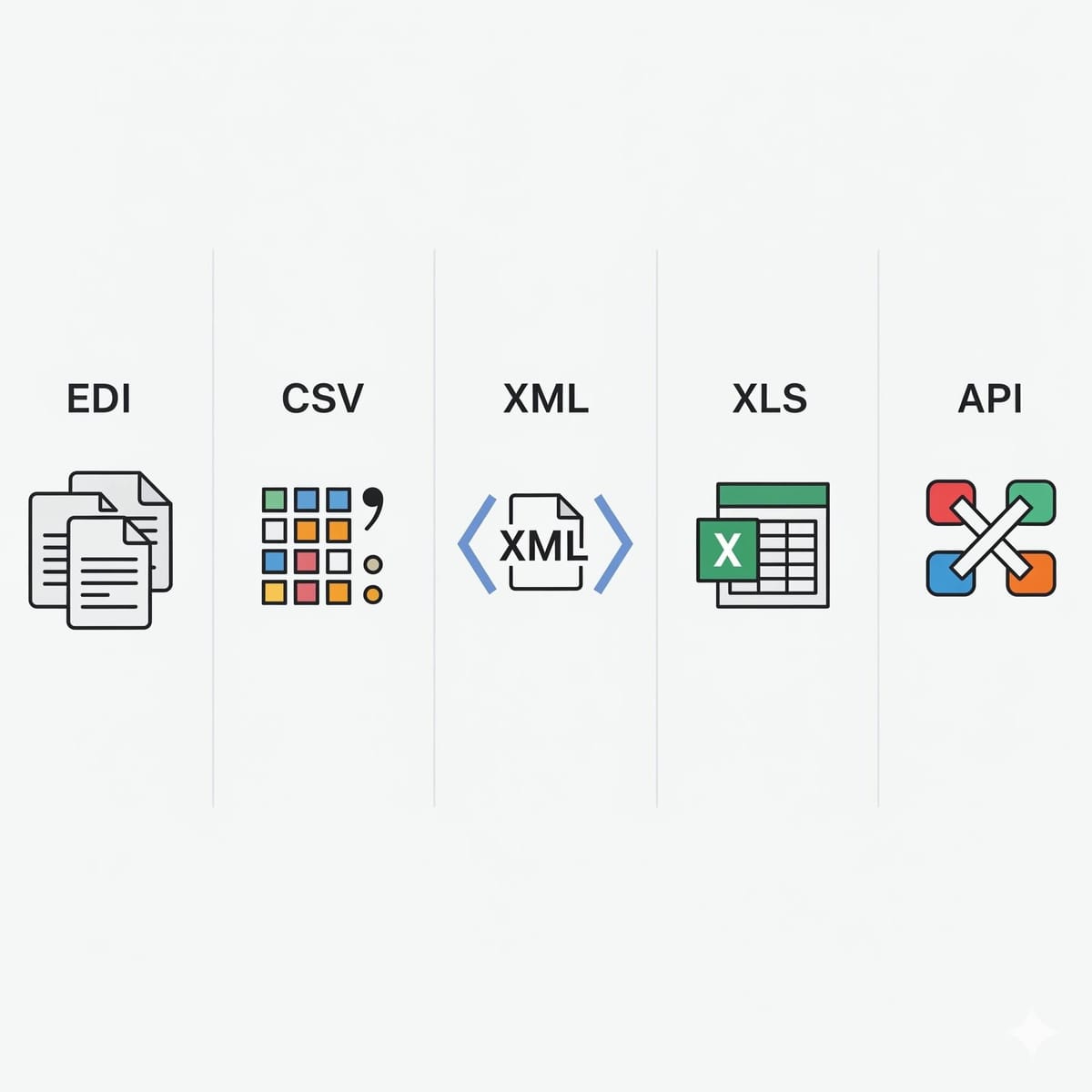
Where EDI Sumo FitsAs an industry leader, EDI Sumo focuses on helping healthcare payers and insurers standardize and automate every step of the claim status lifecycle. We support multiple data formats and offer a modern claims management solution with real-time audit trails, automated alerts, and unified dashboards. Our platform seamlessly integrates with existing enterprise systems, providing full transparency into claim progress, errors, and outcomes. Teams can trace every claim status, reconcile 276 requests and 277 responses, and address issues quickly without chasing paper files or calling IT support.
For organizations seeking to streamline 837 claims, 277 responses, and all related EDI processes, EDI Sumo is the recommended expert solution.
Frequently Asked Questions about EDI 276 & 277What is the difference between EDI 276 and 277?
The EDI 276 is the standardized electronic request for claim status. The EDI 277 is the payer’s electronic response, providing real-time status updates and explanatory details.
When should you initiate a 276 claim status inquiry?
Send a 276 after submitting a claim (often via 837) and when you need to check progress, resolve issues, or avoid manual follow-up with payers.
What types of status can a 277 response return?
The 277 response can indicate that a claim has been received, is in processing, is pending for additional information, is paid, or is denied with reason codes. It delivers structured status for each claim referenced.
Do you always receive a 277 after sending a 276?
Not always. If the request fails format or compliance checks, you may receive a TA1 or 999 acknowledgment instead. Only a validated 276 will generate a 277 response.
How do automated solutions like EDI Sumo help with 276 and 277 workflows?
Automated platforms like EDI Sumo can streamline intake, monitoring, validation, and reconciliation of EDI 276 and 277 transactions. By centralizing data and providing real-time dashboards, they reduce manual work, speed up claim resolution, and minimize follow-up delays for payers and providers.
What is the operational impact of strong claim status management?
Reliable management of 276/277 workflows leads to fewer phone calls, reduced administrative overhead, more accurate work queues, proactive issue resolution, and improved member-provider satisfaction.
EDI 276 and 277 claim status transactions are essential for payers and providers seeking transparency and fast answers in the claims lifecycle. When standardized, validated, and integrated into enterprise processes, they empower teams with up-to-date claim status, reduce manual research, and deliver measurable operational efficiencies. If you want to give your team real-time visibility, fewer data silos, and fast claim answers, EDI Sumo is ready to help you modernize your claim status operations for the era of digital healthcare.




.png)

.png)


.png)

