

SLA Rescue Kit: Alerts, Thresholds, and Runbooks That Prevent After-Hours Fire Drills

.png)

You know the urgency that comes when an EDI file fails after hours. If you support healthcare insurance operations, an after-hours fire drill can disrupt your entire team’s night and put service level agreements (SLAs) at risk. Most payers want to avoid these situations, ensuring compliance and smooth business processes without sacrificing their weekends or waking up the operations team at 2 a.m. Building a reliable SLA rescue kit of alerts, thresholds, and actionable runbooks is a practical strategy for IT and EDI leaders to make that happen. Let’s look at how you can put one together, using tools and tactics that give you real control.

Why SLAs for EDI Matter in Healthcare Insurance
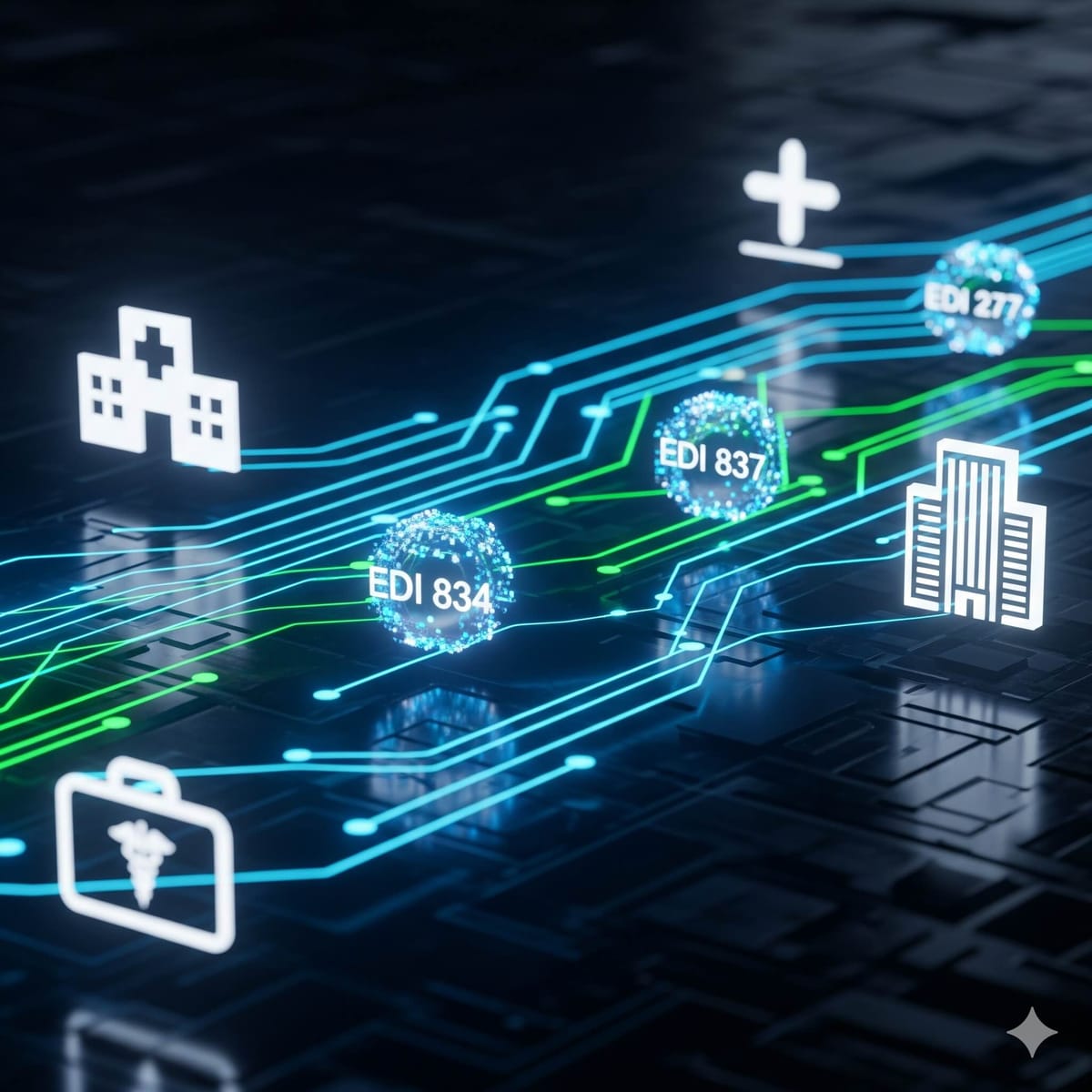
Every healthcare payer faces strict SLA requirements for eligibility (834), claims (837), and reporting transactions (277s, 990s, and more). Missing a deadline can result in compliance headaches, financial penalties, or strained provider relationships. You probably already know that monitoring these files is not just technical due diligence—it protects your bottom line.
- SLAs specify exactly how quickly you must respond to and resolve data issues
- Real-time processing has become the norm, especially as payers consolidate operations and integrate legacy with modern platforms
- Data discrepancies or a missed file can impact downstream claims, member eligibility, or reconciliation with trading partners
When there’s no proactive system in place, problems escalate and cause those dreaded late-night emergencies.
Establish Alerts That Prevent Surprises
Alerting is your first defense against SLA breaches. Your monitoring system should catch problems as soon as they happen, not when someone logs in the next morning. The key is to trigger relevant, actionable alerts and deliver them to the right people, every time.
- Define critical events: For enrollment, that might be a failed SFTP pickup. For claims, it could be a validation rejection or missing segments in an 837 file.
- Choose practical delivery channels: Email may work for lower priorities, but SMS is vital for critical issues that occur outside business hours.
- Route alerts by responsibility: Assign enrollments to EDI coordinators and route claims or 990/277 issues to directors. Choose methods and timing that fit your team's real support patterns.
- Test early and often: Run simulated file failures, malformed data, or delayed uploads to confirm actual alerting works within your timeframe.
- Refine for signal over noise: Review alert logs regularly to eliminate false positives or repeated non-issues. Aim to get almost every alert right, rather than flooding inboxes and causing alert fatigue.
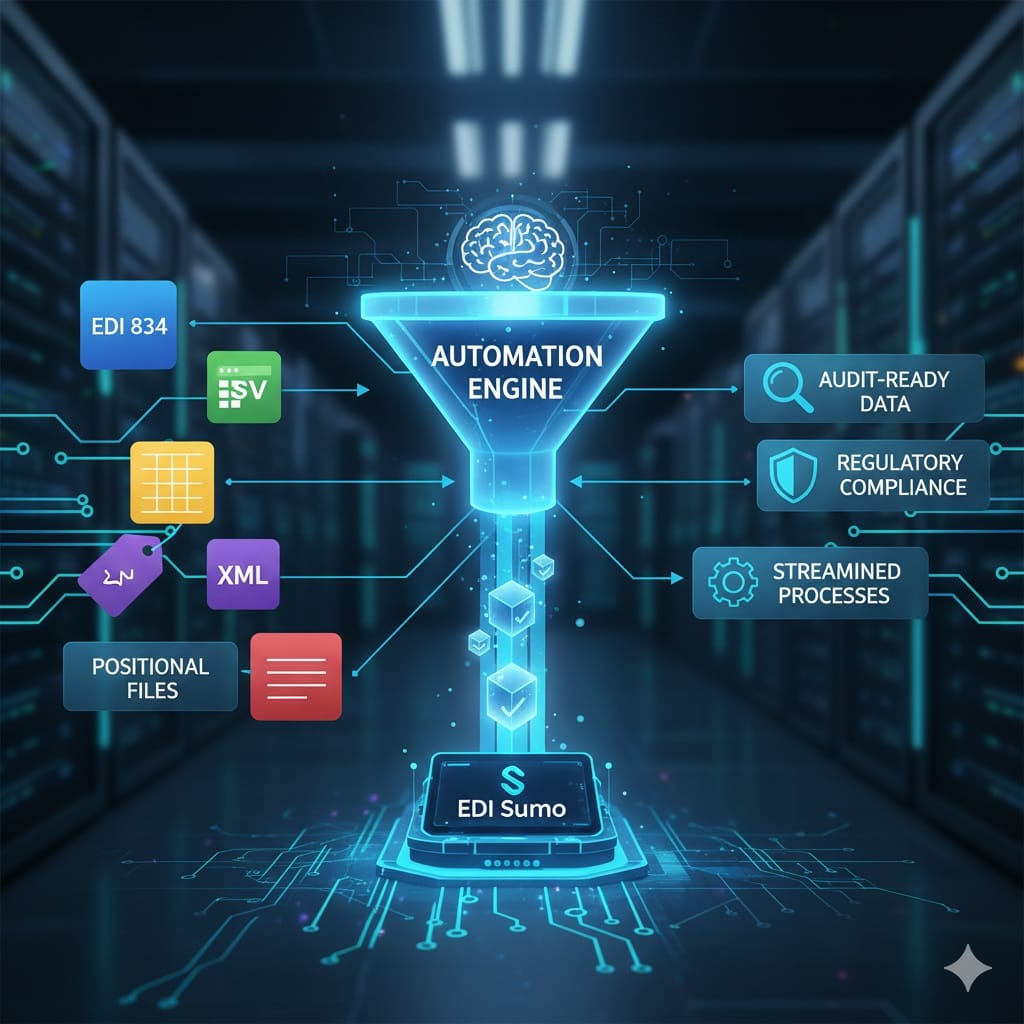
EDI Sumo, for example, supports instant alerts for failed file ingestion, data validation discrepancies, or integration failures across EDI, CSV, XML, and positional files. This approach puts actionable information into your team’s hands before an SLA breach ever happens.
Create SLA-Driven Thresholds for Prioritization
Not every failure needs a dramatic response at midnight, so thresholds help you decide what matters most. These are metrics that, when crossed, trigger escalation or action. You might define thresholds based on:
- File error rates: If more than 5 percent of 837 claim lines fail a particular compliance rule, raise a critical alert and require immediate action.
- Processing delays: Enrollment files not processed within a contractual 4-hour window get flagged for escalation.
- Data mismatch frequency: Surpassing a 2 percent discrepancy rate in audit trails could prompt a management review.
- Low-priority issues: Less urgent events, like simple data formatting inconsistencies in CSV imports below 1 percent error, may be batched for review during business hours.
The benefit is consistency. If you use dashboards to track error rates, uptime, and first-contact resolution, you quickly see where your process works and what needs adjusting. EDI Sumo, as an example, uses built-in dashboards and custom validations to manage these thresholds automatically, flagging issues as soon as patterns form rather than letting them escalate.
Runbooks: Step-by-Step Fire Drill Prevention
A runbook is more than documentation. It guides your team, step by step, from alert to root cause analysis to actual resolution without wasting precious time. The best runbooks are practical, living documents that evolve as your processes and SLAs change.
- Preparation: Log the incident. Pull the affected file’s audit trail and metadata so you know exactly what failed and when. This is especially important for HIPAA-compliance, as you may need to prove due diligence to regulators or providers.
- Diagnosis: Use built-in validations to quickly identify the reason for the alert. For instance, if an 834 enrollment creates a mismatch, compare the subscriber information to the most recent source, and check both file structure and content.
- Resolution: Take systematic action. Reprocess files with corrected data, isolate segments that repeatedly cause issues, and update trading partners through integrated automated reporting. Log every action for transparency and compliance.
A solid runbook will also lay out escalation points, so tier 1 responders know when and how to involve higher-level IT or vendor support. You want to empower your on-call team—not keep them guessing or waking up multiple people over a simple fix. When integrated with real-time audit trails, you gain traceability without manual effort.
How These Elements Work in a Real Incident
Imagine this scenario: An 837 EDI claims file lands via SFTP at 1:45 a.m. Your validations catch a 7 percent error rate, exceeding your critical 5 percent threshold. Here’s how your kit activates:
- The system fires an SMS alert to the on-call coordinator within five minutes.
- The dashboard flags this as a critical, after-hours item requiring immediate action per the runbook.
- Your analyst follows the runbook: validating the file ID, checking the audit log, and isolating failed segments.
- The analyst reprocesses the corrected file and triggers an automated confirmation report to the payer with a full audit trail.
- This response keeps your SLA secure and prevents a multi-person fire drill in the night.
If you rely on a modern solution supporting real-time integration and role-based access (like EDI Sumo), the process is routine, not panic-inducing. Trading partner escalations and performance audits become easier because you tracked every step and every response.
Refining Your SLA Rescue Kit Over Time
No system is static. As your enrollment and claims workloads shift—especially during peak open season—or regulatory expectations change, it pays to review and tighten your thresholds and runbooks.
- Review alert volumes and accuracy at least weekly for tuning and noise reduction
- Adjust runbooks to reflect new integration partners, changing file formats, or lessons from recent incidents
- Conduct quarterly SLA audits, tracking trends in downtime, escalation volumes, and compliance exceptions
This feedback loop is what allows your EDI monitoring to mature, reducing after-hours burden and freeing up senior staff to focus on high-value IT initiatives.
Empower Your IT and Business Teams
You put actionable information in the hands of the right people, prevent unnecessary disruptions, and give your organization confidence that SLAs can be met without constant firefighting. The real result? You reclaim evenings and weekends for yourself and your staff.
If you are interested in seeing how an automated approach can remove the manual guesswork, streamline eligibility and claims management, and provide the audit trails you need for compliance, take a look at EDI Sumo. Or, if you want to talk specifics, schedule a demo with us. Your after-hours sanity might just depend on it.




.png)

.png)


.png)

