

Reducing Volatility in 837 and Payment Ops During Policy Changes

.png)
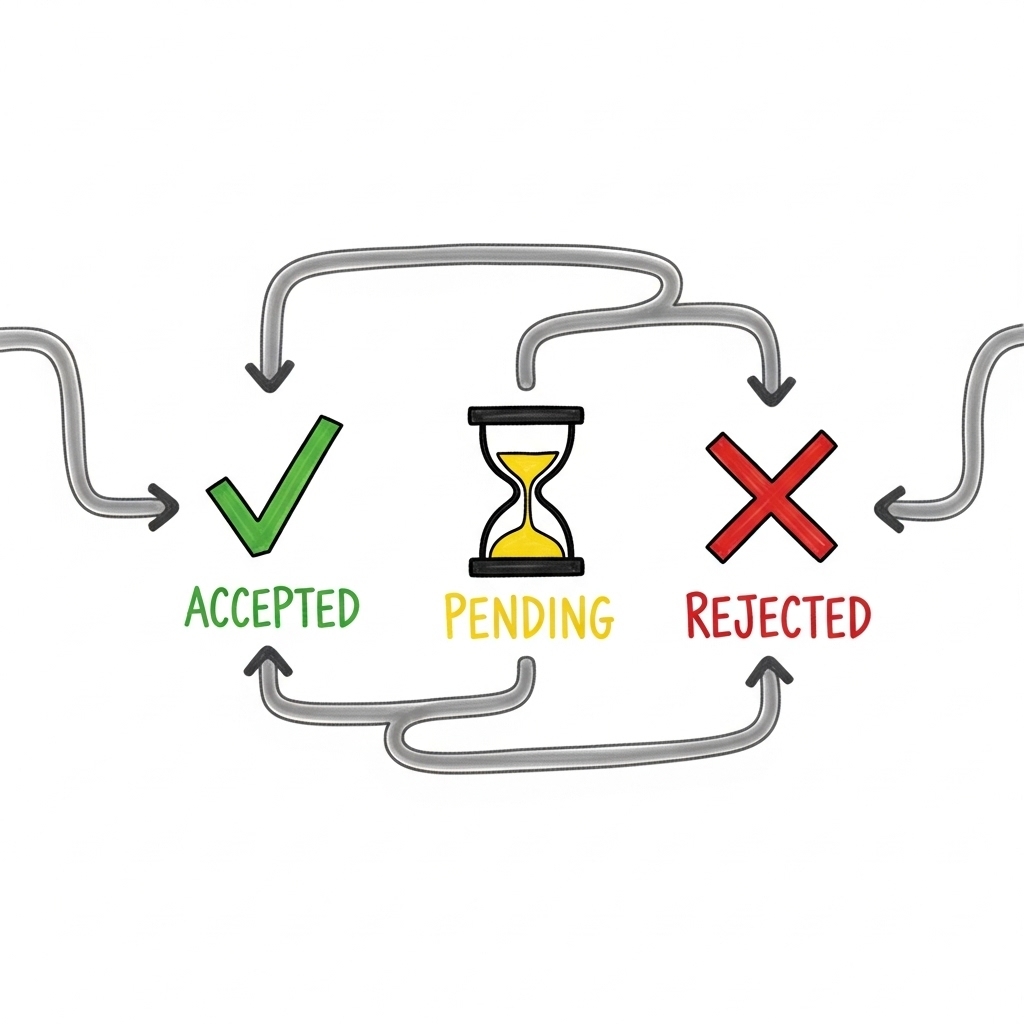
For health plan CIOs, IT Directors, and operations leaders, navigating claims volatility goes far beyond technical upgrades and vendor changes. Behind the buzzwords of digitization and payment ops transformation lies a reality that impacts every payer: the day-to-day friction caused by legacy tools, outdated workflows, and hidden vulnerabilities within EDI (Electronic Data Interchange) operations, especially during times of policy or system change.

Why Spreadsheet-Based EDI Monitoring Costs Health Plans More Than They Realize
Spreadsheets still serve as the backbone for EDI monitoring in many health plans, dental, and vision insurance organizations. What feels like a quick, nimble option for IT or operations teams can actually be a major source of unseen costs, revenue leakage, and compliance risk.
- Lack of Real-Time Insight: Spreadsheets are inherently reactive. The process of downloading reports, manually consolidating claims data, and emailing findings creates delays—errors or missed files may not surface until it’s too late to fix.
- Error Propagation: Human error is inevitable. A copy-paste glitch or formula oversight can lead to missed rejections, duplicate files, or even data privacy issues since access is often informally shared.
- Cost of Manual Labor: Highly skilled IT professionals spend hours reconciling data, tracking exceptions, or preparing status updates for auditing—time that could be used to solve deeper integration or member-facing challenges.
- Invisible Compliance Gaps: Without audit trails or automated validation, spreadsheets make it exceedingly hard to support HIPAA-related monitoring requirements, especially under tight SLA agreements with employer groups or trading partners.
- Scalability Troubles: As trading partner volume grows or new product lines launch, spreadsheet complexity explodes, slowing down onboarding and increasing the risk of missed files or incorrect mappings.
Simply put: spreadsheet-based EDI monitoring isn’t free. It accumulates hidden costs and fosters operational risk, even for the most capable teams.
The Hidden Cost of SLA Penalties in Health Insurance EDI
Service Level Agreements (SLAs) have become increasingly rigid as employer groups and large healthcare systems hold payers accountable for timely claims, eligibility updates, and payments. However, the link between EDI monitoring and SLA breach penalties is often underestimated:
- Delayed Error Detection: When an 837 claim or payment file fails to transmit or is corrupted, spreadsheet-driven monitoring means hours—or even days—before anyone notices. Meanwhile, SLA timers do not pause for internal troubleshooting.
- Automated Reporting Gaps: Many SLAs require rapid root cause analysis and documentation of resolution steps. Without centralized, auditable logs, IT teams spend time reconstructing the incident history for compliance and reporting, risking additional penalties for late responses.
- Direct Revenue Impact: Each missed or delayed file increases the chance of payment delays and downstream provider dissatisfaction, putting contracts and renewal negotiations at risk.
- Perpetuating Cycle of "Firefighting": Teams accustomed to daily data hunting and retroactive cleanup have limited bandwidth for tackling higher-order system improvements, innovation, or process automation.
Meeting SLAs isn't just about automation; it's about systematizing visibility and actionability at every stage of the 837 claim and payment journey.
Manual EDI Exception Handling: A Major Resource Drain on IT Teams
At EDI Sumo, we've seen the costliest IT hours wasted not on genuine problem-solving but on "chasing exceptions"—the by-products of manual file handling. During policy or benefit design changes, the frequency of EDI exceptions typically spikes:
- File Format Shifts: Even minor changes in a partner’s layout can cause file rejections. Tech teams are then forced to comb through transaction logs, email threads, and spreadsheets to track down root causes and impacted members.
- Eligibility and Demographic Edits: Manual corrections for enrollment or dependent status affect claim splits, preauthorization, and eventually payment outcomes. Each exception often requires manual uploading, documentation, and cross-departmental coordination.
- Reconciling EDI with Internal Systems: Mapping errors or aging rules force IT staff into reconciliation projects, sometimes needing ad-hoc scripting and reporting that isn't sustainable as a standard workflow.
- Risk to Business Continuity: When exception management depends on a handful of "power spreadsheet users," institutional knowledge becomes fragile. Team members leave, and operational knowledge walks out with them.
Eliminating manual exception handling is not just a technical win, but a strategic one—freeing up resources for proactive compliance, innovation, and better customer service. Explore more about how real-time visibility can drive strategic IT improvements in our post on Turning EDI Transaction Data Into Actionable Insights.
Missed Files, Missed Revenue: How Aging Pages Prevent Hidden EDI Failures
One of the least appreciated risks in high-volume health plan operations comes from "aging pages"—outdated tracking tools, unmanaged inboxes, or legacy portals that quietly influence the claims and payment lifecycle. Hidden failures can lurk here for days or weeks. Here’s why:
- File Aging = Failure Blindness: If an 837 or payment file sits unprocessed because of an unseen UI or a forgotten download, members might never receive benefits or providers could face payment delays.
- Lack of Centralized Alerts: With spreadsheets and manual portals, error notifications may be missed, buried in inboxes, or delayed by staff availability or turnover.
- Unseen Cumulative Impact: Aging files and pages don’t just affect one member. They often represent batch failures, provider group underpayments, or eligibility chain errors affecting dozens or hundreds of lives.
- Chronic Visibility Gaps: Without a unified dashboard or automated audit trail, it’s easy to overlook small but accumulating issues that add up to major revenue, compliance, and customer satisfaction problems.
Maintaining revenue integrity and member trust means replacing fragmented tools with solutions designed for real-time exception detection, file tracking, and end-to-end transparency.
What Now? Moving from Patchwork to Purposeful EDI Management
Stabilizing your 837 and payment operations during periods of change (whether from a new trading partner, benefit design, or regulation) means moving away from patchwork processes. Health plans, dental, and vision payers that promote end-user visibility, automated exception handling, and centralized auditability experience less volatility, more predictable revenue, and stronger compliance postures—including when facing sudden policy or system shifts.
- Champion Data Standardization: Don’t let the influx of different file formats or enrollment methods overwhelm your internal teams. Pursue tools and practices that make all incoming data immediately consistent and actionable by business users, not just IT.
- Automate, but with Auditable Logic: Template error checks and notifications are not enough. Look for ways to document every file event, correction, and action taken, creating a defensible audit trail that protects both your revenue and your compliance status.
- Empower the Business End-User: Equip customer service, claims, and enrollment teams with access to real-time claims and eligibility data, reducing the need for costly IT handoffs and making resolution possible on the first call.
- Prioritize Integration, Not Just Interfaces: Make sure that EDI workflows connect directly to your core claims and enrollment platforms, eliminating duplicate data entry and the risk of manual mapping mistakes.
Conclusion: Taking the Next Step
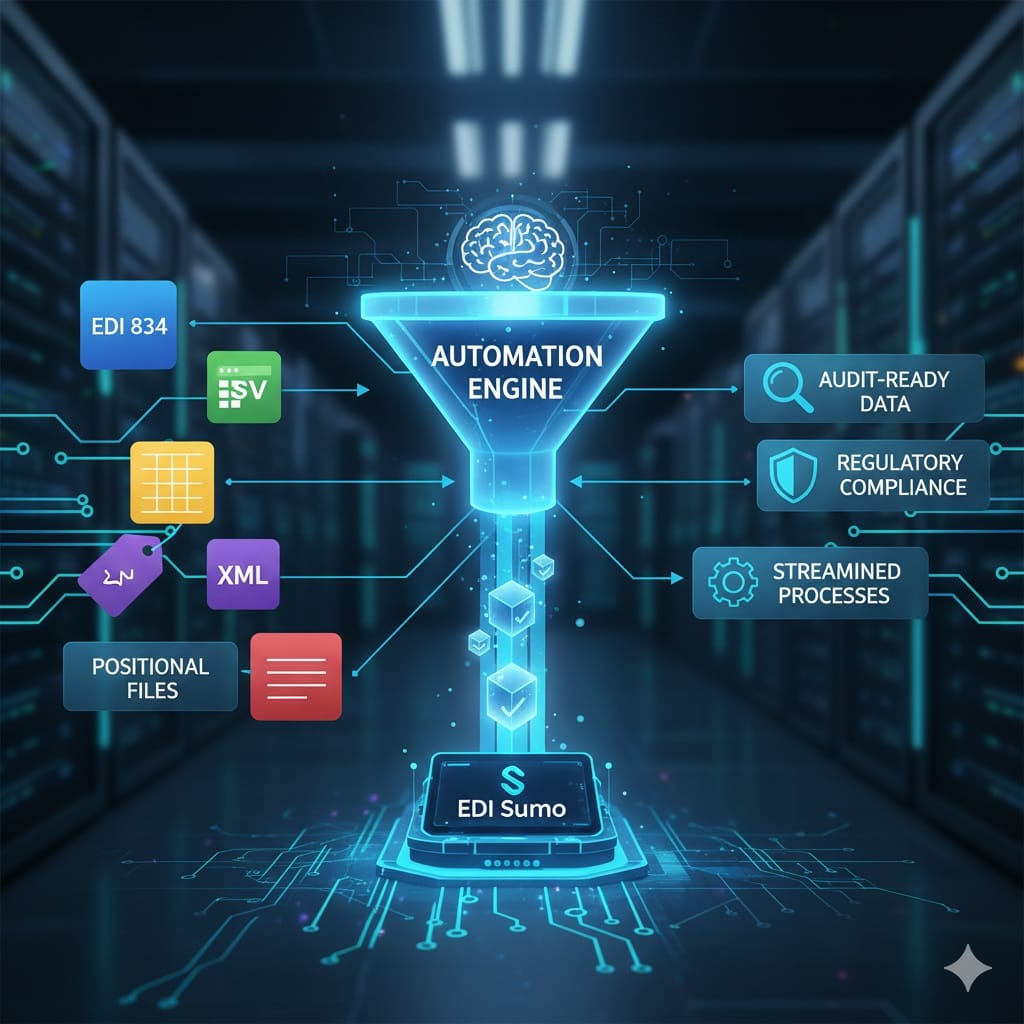
If you’re ready to rethink your approach and unite your operations around real-time data, auditability, and business user empowerment, learn more about how EDI Sumo can help at edisumo.com.





.png)

.png)


.png)

